All in one place
Best Dyslexia Games for Kids
Discover the best dyslexia games for kids, from hands-on activities to digital tools that support every stage of learning.

Discover the best dyslexia games for kids, from hands-on activities to digital tools that support every stage of learning.
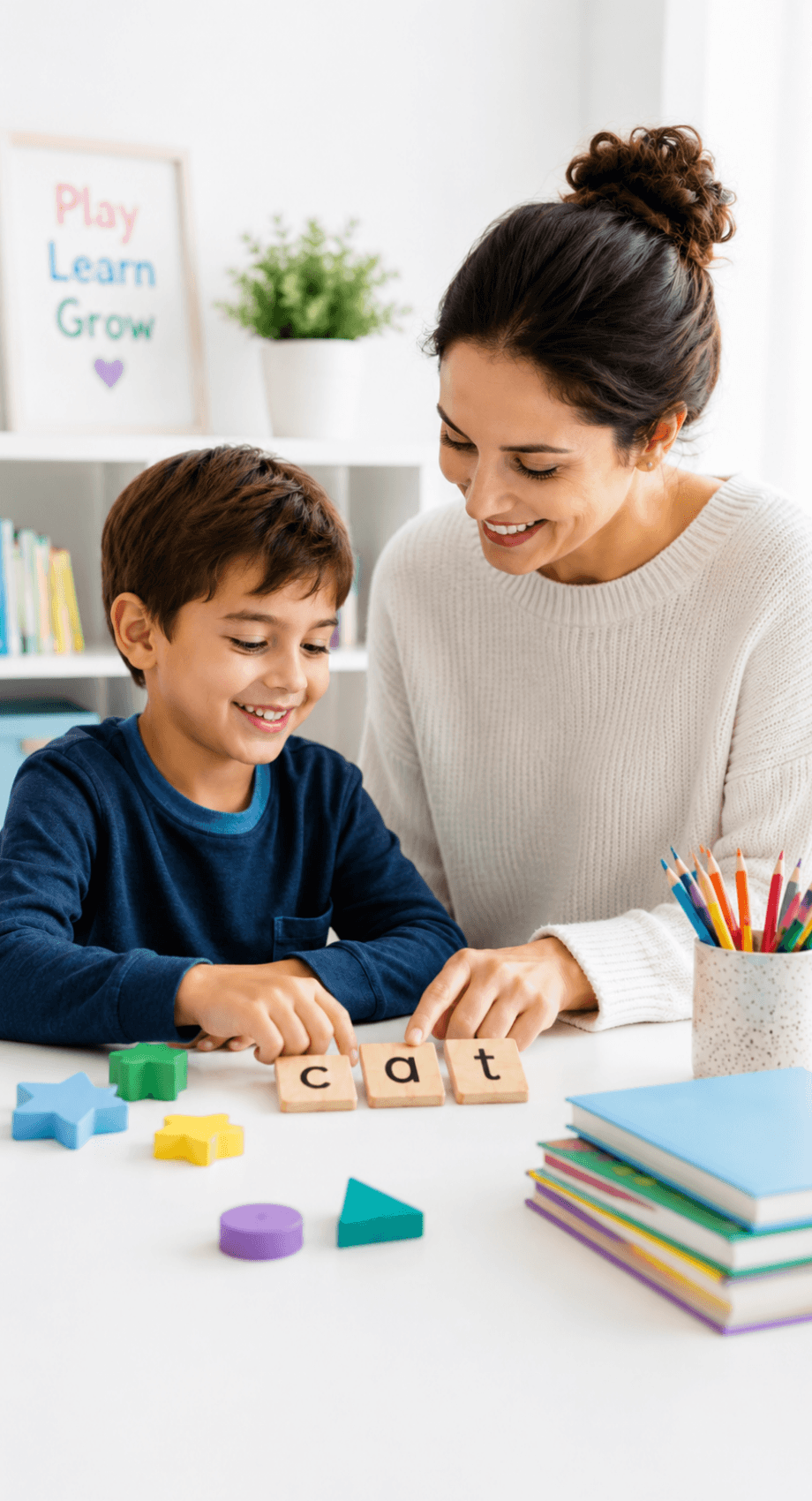
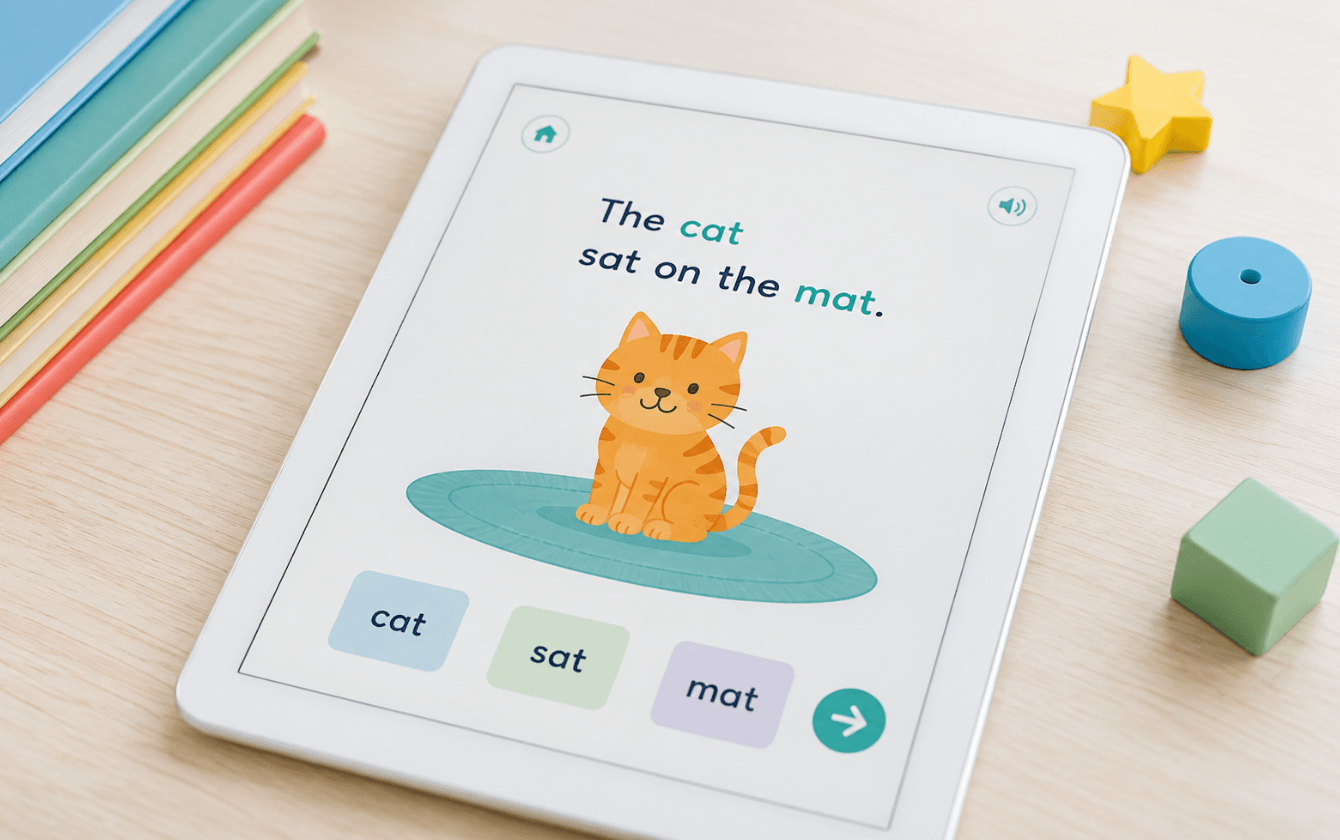
Whether you're looking to build phonics, improve spelling, strengthen fluency, or make reading more enjoyable, you'll find a variety of resources to help your child become a more confident reader.
Short, structured practice sessions can make a big difference. These dyslexia reading exercises below help strengthen the foundational skills your child needs to become a confident reader. To dive deeper, see our guide Learning to Read with Dyslexia: Teaching Methods for Parents. Overall, you want to work on 6 core reading skills:

Builds: Phonemic Awareness
Say a simple word like cat and ask your child to replace one sound.
cat → bat → hat → sat
This simple exercise helps children hear how sounds change within words, an important skill for reading and spelling.
Builds: Decoding & Spelling
Use magnetic letters or letter tiles to build words together.
Example:
cat
↓
hat
↓
hot
↓
hop
↓
mop
Changing one letter at a time helps children recognize spelling patterns while practicing decoding.
Builds: Reading Fluency
Read a short passage together two or three times.
Each rereading helps improve accuracy, confidence, and smoothness.
Builds: Pattern Recognition
Practice groups of words that share the same ending.
cat
bat
sat
mat
Recognizing familiar spelling patterns helps children decode new words more easily.
Builds: Decoding
Choose a word and tap once for every sound before blending them together.
Example:
ship
👏 sh
👏 i
👏 p
Learning doesn't always have to happen on a screen. These hands-on games for dyslexia turn reading practice into engaging play while reinforcing important literacy skills.
Reading Race Track
Roll a die and read the word or sentence on each space as you move around the board.
Memory Match
Match identical words or pictures while strengthening memory and word recognition.
Word Building Challenge
See how many new words can be created by changing just one letter at a time.
Sight Word Jenga
Write sight words on Jenga blocks. Read each word before placing it back on top.
Letter Treasure Hunt
Hide letter cards around the room. Ask your child to find the letters needed to spell a target word.
Roll & Read
Assign words to each number on a die. Roll. Read. Repeat. Have fun!
Looking for screen-based activities? These free online games for dyslexia help children practice reading through interactive lessons, puzzles, and educational play.
Teach Your Monster to Read
Teach Your Monster to Read turns early reading into an adventure with interactive games that teach phonics, letter sounds, blending, and word recognition.
Best for: Beginning readers
Skills: Phonics • Decoding • Early Reading
Starfall
Starfall combines interactive books, songs, and games to help children build foundational reading skills. Its colorful activities make learning fun for young readers.
Best for: Early literacy
Skills: Letter Recognition • Vocabulary • Reading
Phonics Bloom
Bloom offers quick games that reinforce phonics through matching, blending, sorting, and spelling activities. Parents and teachers can choose games based on their child's skill level.
Best for: Kindergarten–ElementaryPhonics
Skills: Phonics • Spelling • Word Recognition
PBS Kids Reading Games
PBS Kids features educational reading games with familiar characters that help children practice vocabulary, listening, and reading comprehension while they play.
Best for: Ages 4–8
Skills: Vocabulary • Listening • Reading Comprehension
Oxford Owl
Oxford Owl offers free eBooks, phonics resources, and printable activities to help parents support reading practice at home.
Best for: Home reading
Skills: Reading Practice • Phonics • Comprehension
When it comes to dyslexia games for kids, reading apps combine structured practice with engaging activities, making it easier for children to stay motivated while building essential skills. From AI-powered reading coaches to structured phonics programs, these apps help children practice reading at their own pace. Below are three of our top recommendations. For more, see our full list of the 15 best dyslexia reading apps.

Readability’s dyslexia app listens as your child reads aloud, offering gentle, personalized feedback using AI-powered speech recognition. Instead of simply reading on a screen, your child actively practices decoding words, improving fluency, learning new vocabulary, and building comprehension through interactive stories and activities.
As your child grows, the app adapts to their reading level, providing just the right amount of challenge while helping them build confidence one story at a time. Parents can also track reading progress, celebrate milestones, and see where extra support may be helpful.

Best for: Children who benefit from personalized reading practice and immediate feedback.
Key features:
Nessy Reading & Spelling helps children build strong reading and spelling skills through structured lessons, games, and multisensory activities. The best reading games for dyslexia focus on teaching how sounds, letters, and spelling patterns work together. The app is great for children who benefit from step-by-step instruction.
Best for: Children who need extra support with phonics, decoding, and spelling.
Key features:
Spelling is about more than memorizing words. These activities help your child recognize letter patterns, connect sounds to letters, and build confidence with writing through hands-on practice and repetition. Click each activity to learn more.
Sort words into groups based on spelling patterns, sounds, or word families (such as -at, -an, or long vowel sounds). As your child looks for similarities and differences, they'll begin to recognize patterns they can apply to new words.
Builds: Spelling patterns, phonics, word recognition
Write a word with one or two letters missing and ask your child to complete it.
For example:
c _ t → cat
tr _ e → tree
You can make this activity easier or more challenging depending on your child's reading level.
Builds: Letter-sound relationships, decoding, spelling
Write one syllable on each piece of paper and place them on the floor. As your child hops from one syllable to the next, have them blend the sounds together to create a word.
This movement-based activity helps children break longer words into smaller, more manageable parts.
Builds: Syllable awareness, decoding, spelling
Choose a spelling pattern for the day, such as -ight or -tion, and challenge your child to find words with that pattern while reading books, signs, magazines, or around the house.
Turning reading into a scavenger hunt helps reinforce spelling naturally.
Builds: Pattern recognition, vocabulary, spelling
Using magnetic letters or letter tiles, ask your child to build a target word. Then change one letter at a time to create new words.
For example:
cat → hat → hot → hop → mop
This helps children see how changing just one sound or letter creates a completely new word.
Builds: Word building, decoding, spelling
Have your child write each spelling word several times using different colored markers or crayons. The repeated practice, combined with visual color changes, helps reinforce letter patterns while making spelling more engaging.
Builds: Letter formation, spelling memory, handwriting
Strong working memory helps children follow directions, recognize words, remember letter patterns, and understand what they read. These simple games for kids with dyslexia strengthen memory while making reading practice more engaging.
Memory Match
Create matching pairs using letters, sight words, or pictures. Turn over two cards at a time and try to find a match while practicing word recognition and visual memory.
Builds: Working memory, word recognition, vocabulary
Simon Says Sounds
Play a reading-themed version of Simon Says by asking your child to clap, tap, or point to specific letter sounds or word patterns. Gradually increase the number of directions they need to remember.
Builds: Auditory memory, phonemic awareness, listening skills
Rhyming Memory Game
Say a word and ask your child to think of another word that rhymes. Then challenge them to remember each rhyming word as the list grows longer.
For example:
cat, hat, bat, mat
Builds: Phonological awareness, memory, vocabulary
Picture Sequence
Place three to five picture cards in a sequence, then cover them and ask your child to recreate the order from memory. As they improve, increase the number of cards or use story events instead of pictures.
Builds: Sequencing, visual memory, reading comprehension
Repeat the Pattern
Create a simple pattern using sounds, letters, or words and have your child repeat it back. For example, say "cat, dog, cat" or "A, B, A" before asking them to continue the sequence.
Builds: Working memory, pattern recognition, attention
Story Recall Challenge
Read a short story or paragraph together, then ask your child to retell what happened using as many details as they can remember. You can make it more fun by asking questions like, Who was the main character? What happened first? What happened at the end?
This activity strengthens memory while encouraging children to think about the meaning of what they read.
Builds: Working memory, reading comprehension, sequencing
Reading isn't just about recognizing words – it's about understanding their meaning. These reading activities for dyslexia help your child think about characters, events, and key details while building confidence in their comprehension.

After reading a story, create a simple map together showing the beginning, middle, and end. You can also include the main characters, setting, problem, and solution.
Builds: Story structure, sequencing, comprehension
Before turning the page or starting a new chapter, pause and ask your child what they think will happen next. Write predictions on slips of paper and compare them to the story as you read.
Builds: Critical thinking, inference, comprehension
Invite your child to draw their favorite scene or illustrate what happened in the story. Ask them to explain their drawing using details from the text.
Builds: Visualization, recall, comprehension
After reading, encourage your child to retell the story in their own words. Prompt them with questions like, "What happened first?" or "How did the story end?"
Builds: Recall, sequencing, oral language
Ask simple questions after reading, such as:
Who was the main character?
What happened?
Where did the story take place?
As your child becomes more confident, add "When?", "Why?", and "How?" questions.
Builds: Reading comprehension, attention to detail
Choose a favorite scene and act it out together using voices, props, or simple costumes. Role-playing helps your child connect with the story while remembering important events and characters.
Builds: Comprehension, sequencing, expressive language
Reading happens in everyday moments. Whether your child is at home, at school, or on the go, small opportunities to read throughout the day can make a big difference. Just 10–15 minutes of consistent practice each day helps build confidence and strengthen reading skills over time.
Read Everyday Signs
Encourage your child to read street signs, menus, store labels, or directions while you're out together. Everyday reading helps children see that literacy is useful far beyond books.
Builds: Word recognition, vocabulary, confidence
Label Everyday Objects
Place labels on common household or classroom objects like door, table, chair, or window. Seeing familiar words throughout the day reinforces vocabulary and word recognition.
Builds: Vocabulary, print awareness, word recognition
Keep a Daily Reading Routine
Set aside 10–15 minutes each day to read together. Your child can read aloud, take turns reading pages, or talk about the story afterward. Consistent practice is more important than long reading sessions.
Builds: Reading fluency, confidence, comprehension
Follow Simple Directions
Invite your child to read and follow simple directions for crafts, science experiments, or building toys. Reading instructions with a clear goal helps make comprehension more meaningful.
Builds: Reading comprehension, sequencing, following directions
Make a Shopping List
Invite your child to help write the grocery list before shopping. At the store, take turns reading each item and finding it together.
Builds: Vocabulary, spelling, reading comprehension
Read While You Play
Encourage your child to read board game cards, LEGO® instructions, craft directions, or recipe steps while playing together. Reading with a purpose makes practice feel natural and engaging.
Builds: Reading fluency, comprehension, following directions
Give Reading a Purpose
Invite your child to help with everyday reading tasks, such as checking the calendar, reading a lunch menu, opening the mail, or following simple instructions. These meaningful responsibilities help children see reading as a valuable life skill.
Builds: Independence, reading confidence, functional literacy
Be Today's Helper
Give your child a daily reading responsibility, such as reading the family calendar, checking the weather forecast, reading the lunch menu, or helping with a to-do list. These small tasks show that reading is a useful part of everyday life.
Builds: Reading confidence, independence, functional literacy

With Readability Tutor, your child receives personalized reading practice with interactive stories that support phonics, fluency, vocabulary, and reading comprehension – all while making daily reading more engaging.