Choosing the right reading level test for kids is an important first step in understanding your child's reading progress. The right assessment can help identify strengths, uncover areas where they may need additional support, and guide your next steps at home or in the classroom.
Not all reading assessments measure the same skills. Some focus on reading fluency, while others evaluate comprehension, decoding, vocabulary, or overall reading ability. Understanding these differences can help you choose the assessment that's the best fit for your child's needs.
In this guide, we'll compare ten of the best tests, including free and paid options. You'll learn what each test measures, who it's best for, and what parents should know before choosing one.
But First, What Is a Reading Assessment?
A reading test for kids helps measure a child's current reading abilities. Rather than simply assigning a grade level, these assessments provide insight into the skills that support successful reading.
Depending on the test, an assessment may evaluate one or more of the following:
- Reading accuracy
- Reading fluency
- Reading comprehension
- Phonics and decoding
- Vocabulary
- Overall reading level
Because each test focuses on different skills, it's important to choose one that matches your goals. For example, you may be looking to monitor your child's overall reading progress, identify areas where they're struggling, or determine whether books are at the right reading level.
The good news is that there are many high-quality options available. Some are designed for classroom use, while others can be completed at home with a parent. The list below includes a mix of resources, from free reading level assessments to paid at-home literacy assessments.
P.S. 1 in 5 children has dyslexia. If your child is struggling with reading, our free screener can help identify possible signs and guide your next steps:
The 10 Best Reading Level Tests for Kids
Every child has different reading strengths and goals. The tools below can help you better understand your child's reading skills and choose the assessment that's the best fit.

1. Readability Tutor
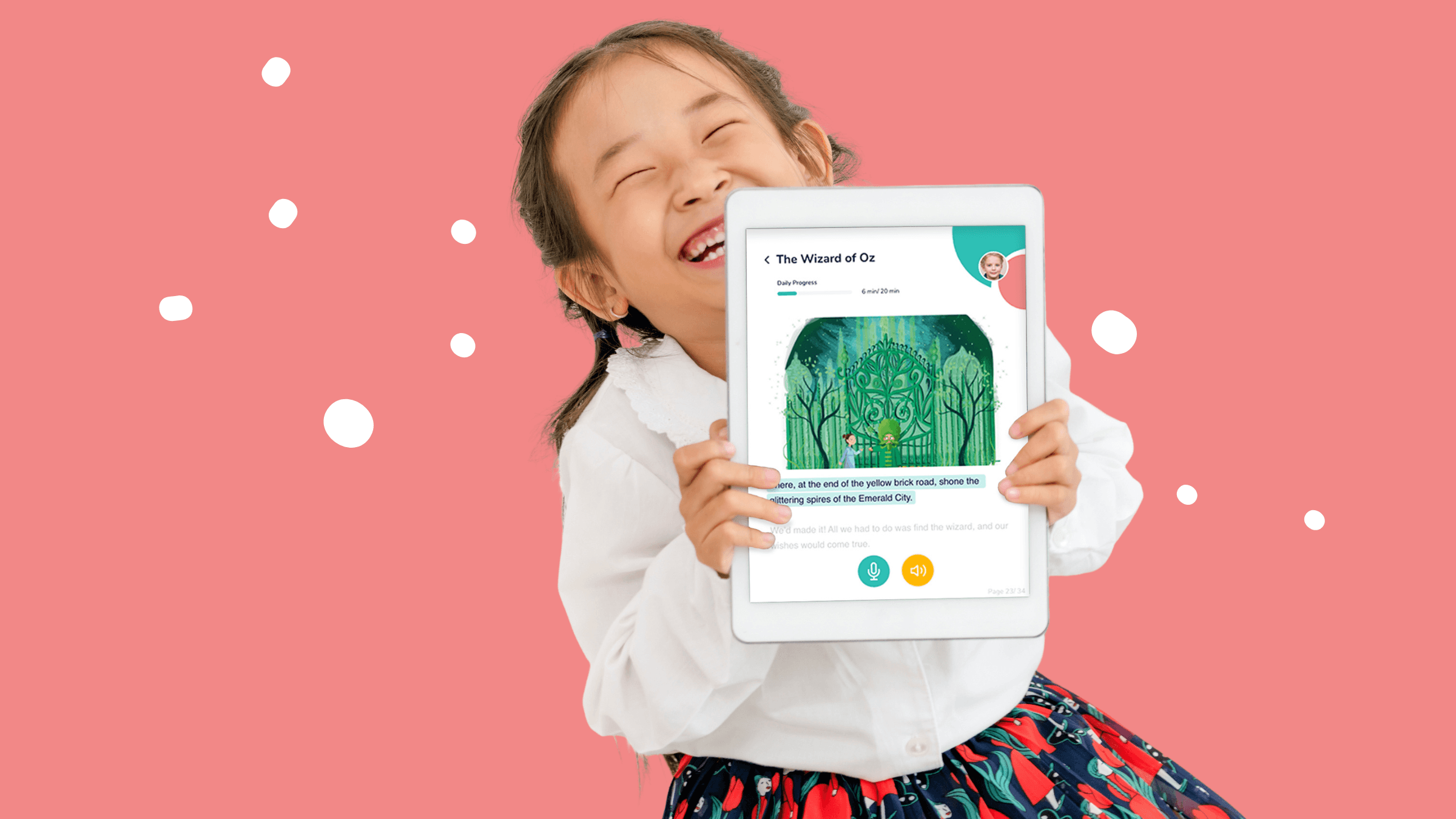
Readability Tutor is designed to help you understand your child's reading progress while making daily reading practice more engaging. As your child reads aloud, the platform listens in real time and measures important literacy skills, giving you easy-to-understand insights into how they're developing as a reader.
Unlike traditional reading assessments that provide a one-time snapshot, Readability Tutor tracks your child's progress over time. This allows you to see meaningful improvements, identify areas where they may need additional support, and celebrate milestones as their confidence grows. Because reading practice and progress monitoring happen together, you'll have a clearer picture of your child's literacy development every step of the way.

Key Details
- Measures: Reading accuracy, fluency, comprehension, Words Correct Per Minute (WCPM), and overall reading progress
- Recommended age: Kindergarten–5th grade
- Cost: Paid subscription with a free trial
- Ideal for: Parents who want a literacy online assessment that also supports consistent reading practice at home
2. ReadTheory
ReadTheory is a free online platform that helps your child strengthen reading comprehension through short passages followed by multiple-choice questions. As your child works through each activity, the program automatically adjusts the difficulty to match their performance, helping keep the material appropriately challenging.
Although ReadTheory focuses primarily on reading comprehension rather than evaluating every aspect of reading, it can be a valuable resource for building comprehension skills and reinforcing classroom learning. It's especially helpful if you're looking for a free tool to supplement your child's reading practice at home.
Key Details
- Measures: Reading comprehension and vocabulary
- Recommended age: Approximately 2nd grade through high school
- Cost: Free, with optional premium features
- Ideal for: Parents looking for a free reading assessment that focuses on reading comprehension skills
3. Lexile® Find a Book
Lexile® Find a Book is a little different from the other resources on this list. Rather than assessing your child's reading ability, it helps you find books that match their current reading level and interests. If your child's school has already provided a Lexile® measure, you can use this tool to discover books that are appropriately challenging while still keeping reading enjoyable.
Finding books at the right level can make a big difference in your child's confidence and motivation. Books that are too easy may not encourage growth, while books that are too difficult can quickly become frustrating. Lexile® Find a Book helps take the guesswork out of choosing books your child is more likely to enjoy and succeed with.
Key Details
- Measures: Does not assess reading skills; recommends books using an existing Lexile® measure
- Recommended age: Elementary through high school
- Cost: Free
- Ideal for: Parents who want help finding books that match their child's reading level
5. DIBELS® 8th Edition
DIBELS (Dynamic Indicators of Basic Early Literacy Skills) is a reading assessment commonly used in schools to measure foundational reading skills. It helps teachers understand how your child is progressing in areas such as phonics, decoding, and reading fluency, making it easier to identify students who may benefit from additional support.
When it comes to reading level tests for kids at school, it’s good to know this one. Although parents typically won't administer DIBELS at home, understanding your child's results can provide valuable insight into their reading development. If your child's school uses DIBELS, reviewing the results with their teacher can help you better support reading practice at home.
Key Details
- Measures: Phonemic awareness, phonics, decoding, oral reading fluency, and early literacy skills
- Recommended age: Kindergarten–8th grade
- Cost: Typically provided through schools
- Ideal for: Parents who want to better understand the reading assessments their child completes at school
6. Acadience Reading
Acadience Reading is another school-based assessment that helps measure your child's reading development throughout the school year. It focuses on foundational literacy skills and gives teachers information they can use to monitor progress and identify students who may need additional instruction.
Like DIBELS, Acadience Reading is generally administered in the classroom rather than at home. If your child's school shares Acadience results, they can help you understand your child's reading strengths and identify skills that may benefit from extra practice outside of school.

Key Details
- Measures: Early literacy skills, phonics, decoding, oral reading fluency, and reading progress
- Recommended age: Kindergarten–8th grade
- Cost: Typically provided through schools
- Ideal for: Parents who want to better understand their child's reading progress throughout the school year
7. Oxford Owl
Oxford Owl offers a collection of free reading resources, activities, and assessment materials that parents can use to support reading at home. While it isn't a single standardized assessment, it provides practical tools to help you gauge your child's reading skills and choose books and activities that match their current ability.
Along with assessment resources, you'll also find expert reading advice and printable activities to help your child continue building their literacy skills.
Key Details
- Measures: Reading skills through assessment activities and reading resources
- Recommended age: Preschool through elementary school
- Cost: Free
- Ideal for: Parents looking for free reading resources and at-home literacy support
8. Read Naturally
Read Naturally is a literacy program designed to help your child build reading fluency through repeated reading and guided practice. It combines reading passages, vocabulary activities, and comprehension questions to help children become more accurate, confident readers over time.
While Read Naturally is often used in schools, parents can also use it at home to reinforce reading skills. If your child struggles with reading fluency or reading aloud, this program offers structured practice that encourages steady progress.
Key Details
- Measures: Reading fluency, comprehension, vocabulary, and reading accuracy
- Recommended age: 1st grade through middle school
- Cost: Paid subscription and program materials
- Ideal for: Parents looking to help their child improve reading fluency through structured practice
9. Raz-Plus Reading Assessments
Raz-Plus includes a variety of reading assessments that help teachers and parents understand your child's reading level and literacy development. Along with running records and benchmark books, the platform offers reading resources that support comprehension, vocabulary, and fluency.
Although Raz-Plus is primarily designed for classroom use, many schools already use it as part of their reading instruction. If your child has access through school, it can provide helpful information about their reading progress while offering additional practice at home.
Key Details
- Measures: Reading level, fluency, comprehension, vocabulary, and reading accuracy
- Recommended age: Kindergarten–5th grade
- Cost: Paid subscription, often provided through schools
- Ideal for: Parents whose child's school uses Raz-Plus and who want additional reading support at home
10. EasyCBM
EasyCBM is a reading assessment system that helps monitor your child's reading progress throughout the school year. It includes short assessments that measure foundational reading skills and help identify students who may benefit from additional instruction or intervention.
Like many school-based assessments, EasyCBM is typically administered by teachers rather than parents.

Key Details
- Measures: Reading fluency, comprehension, vocabulary, and foundational reading skills
- Recommended age: Kindergarten–8th grade
- Cost: Free and paid options for schools
- Ideal for: Parents who want to better understand their child's reading progress and school assessment results
Choosing the Right Reading Level Test for Your Child
The best reading level test for your child depends on what you're hoping to learn. Some assessments provide a quick snapshot of your child's reading abilities, while others help you track progress over time. No matter which option you choose, the goal is the same: understanding where your child is today so you can better support their growth tomorrow.
Once you understand your child’s current reading skills, you can explore the best reading apps for kids to find tools that support continued practice and progress at home. If you're looking for an easy way to monitor your child's reading progress while they practice at home, Readability Tutor combines personalized reading practice with ongoing progress tracking to help you follow every milestone with confidence:
Frequently Asked Questions
Are there reputable reading level tests for kids free?
Yes. Free tools like ReadTheory, Oxford Owl, and Lexile® Find a Book can help you better understand your child's reading skills or find books at the right level. While they may not offer ongoing progress tracking, they're a great place to start.
Are online reading level assessments good enough?
Yes, online assessments can provide valuable insight into your child's reading abilities and progress. While they shouldn't replace teacher observations or professional evaluations when needed, they can be a helpful way to monitor reading skills and guide practice at home.
How often should I assess my child's reading level?
Assessing your child's reading every few months is typically enough to monitor progress. If they're receiving reading support or practicing regularly, you may want to check in more often.
What should I do if my child is struggling with reading?
Start by identifying which reading skills need support, whether that's phonics, fluency, or comprehension. If your concerns continue, talk with your child's teacher and consider a professional evaluation. You can also take our free dyslexia test for kids as a helpful first step to identify common signs.