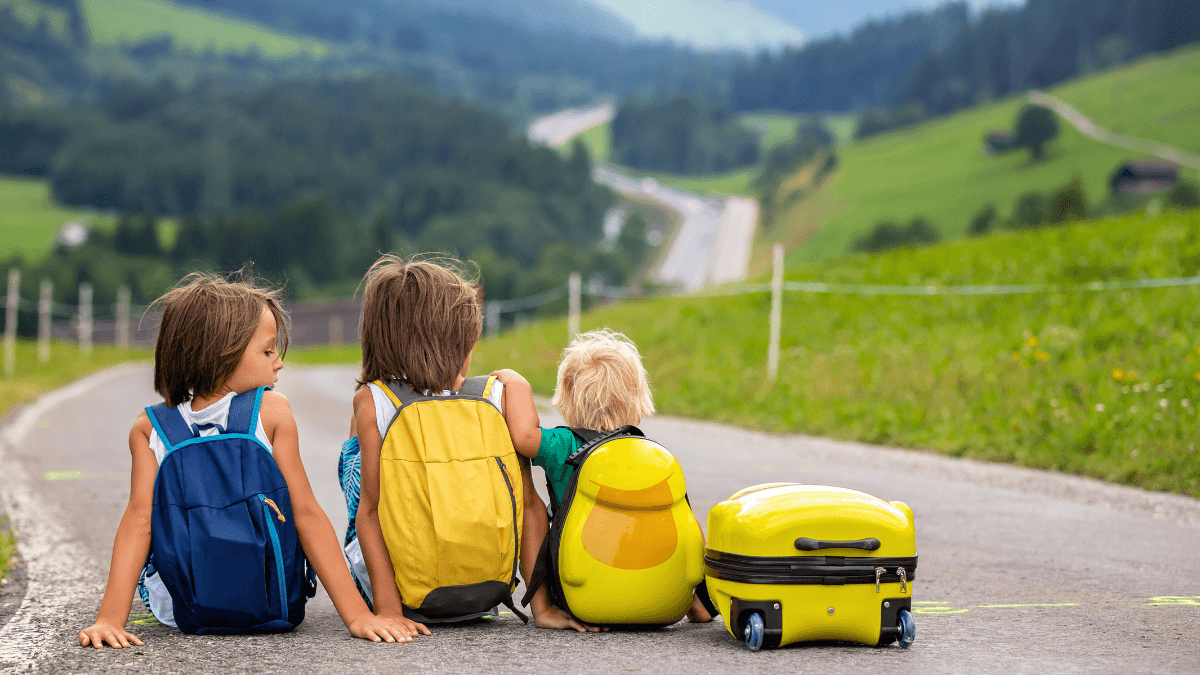
A child’s extended absence from home can be an exciting opportunity to explore new places, build independence, and learn beyond the classroom. Whether your child is visiting relatives, attending summer camp, joining a school exchange program, or traveling with another family, careful preparation can make the experience safer and more enjoyable.
For parents, preparing a child for a trip involves more than packing clothes and arranging transportation. Children also need emotional support, familiar routines, educational activities, and clear instructions about staying safe.
Keeping up with reading practice and other learning activities can also provide a sense of familiarity while supporting your child's development.
With a thoughtful plan, you can help your child feel confident and continue learning even when they're away from home.
1. Talk About the Trip in Advance
Children often feel a mixture of excitement and nervousness before spending an extended period away from their parents. Talking about the upcoming experience can help your child understand what to expect and feel more comfortable with the change.
Explain where they'll go, who will accompany them, how long they'll stay, and what their daily routine might look like. If possible, show them photographs of the destination or introduce them to the people who will be responsible for their care.
Encourage your child to ask questions and express any concerns. Younger children may worry about sleeping in an unfamiliar room, while older children may be concerned about making friends or managing responsibilities independently.
You can also practice common situations together, such as asking an adult for help, finding a meeting point, or contacting a trusted person. These conversations help children prepare for unfamiliar circumstances without making the trip feel frightening.
2. Organize Important Documents and Safety Information
Before departure, make sure all necessary documents are prepared and easily accessible. Requirements depend on the destination, your child's age, the mode of transportation, and who is accompanying them.
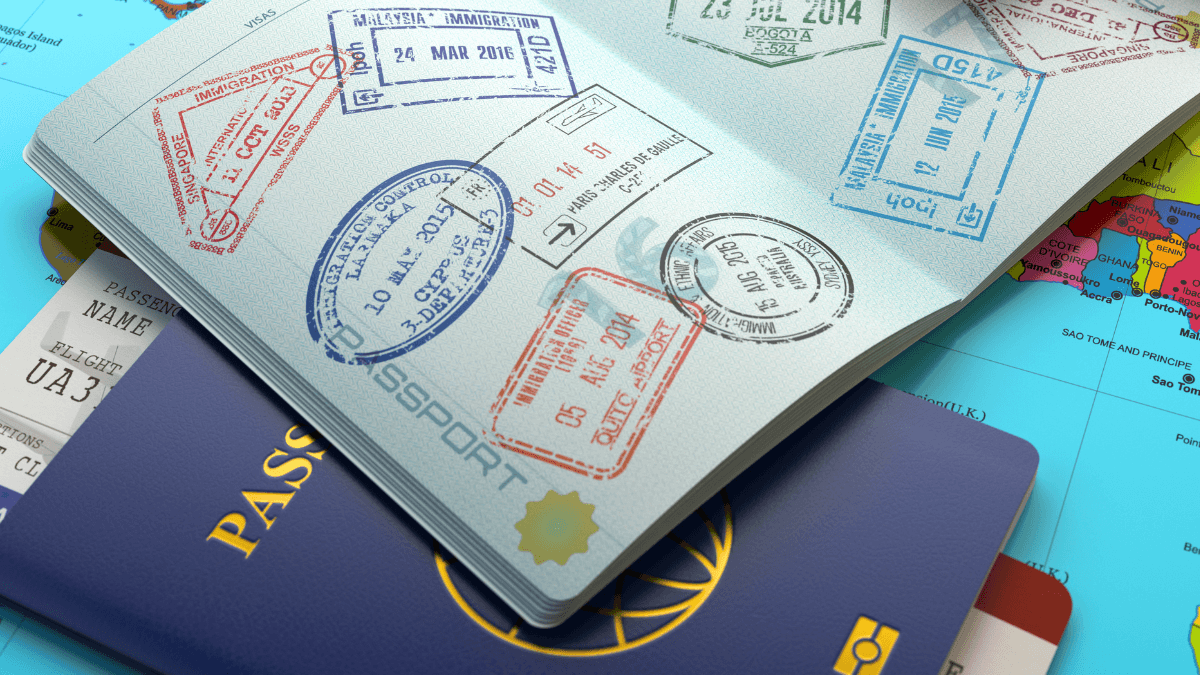
For international travel, children may need a valid passport, a visa, and additional documentation. When a minor is traveling with one parent, relatives, a school group, or another adult, written parental permission may also be required or recommended. Parents should check the destination country's rules, airline policies, and any applicable requirements for the countries through which their child will travel.
A travel consent form for a minor can help document a parent's or legal guardian's permission for a child to travel with an accompanying adult or without their parents. Depending on the circumstances, the document may include the child's details, travel dates, destination, accompanying adult's information, and parents' contact details. Requirements vary, so families should confirm whether notarization or additional supporting documents are necessary.
You should also provide the responsible adult with emergency contact information, copies of relevant identification documents, and details about any medical needs or allergies. Older children can learn where these details are kept and whom they should contact if they need assistance.
3. Pack Together and Encourage Independence
Packing together is an excellent way to help your child prepare mentally and develop practical life skills. Instead of organizing everything yourself, create a checklist and invite your child to participate.
The list might include clothing, toiletries, comfortable shoes, weather-appropriate items, prescribed medication, a water bottle, and any necessary school or travel materials. A favorite book or small comfort item can also help younger children feel more at ease.
Use the packing process to teach basic organizational skills. Children can count the number of outfits they need, group similar items together, and check each item off the list. Older children can estimate how much luggage they need and decide which belongings are essential.
Explain that keeping track of personal items is part of traveling responsibly. However, avoid giving your child more responsibility than they can reasonably manage. Younger children will still need adult supervision, while older children can gradually take ownership of simple tasks.
4. Keep Up Reading Practice While Your Child Is Away
An extended absence doesn't have to interrupt your child's reading development. In fact, travel can introduce children to new experiences, vocabulary, and ideas that make reading more meaningful. Maintaining a familiar reading routine can also provide a sense of comfort while they're away from home.
Before departure, help your child choose books that match their reading level and interests. A younger child might enjoy illustrated stories, while an older reader may prefer adventure novels, mysteries, biographies, or books about the destination.

Set a realistic reading goal rather than creating a demanding schedule. Reading for 15 to 20 minutes a day can be a manageable starting point for many children, although the ideal amount depends on their age, reading ability, and existing routine. The goal is to maintain a positive relationship with reading, not turn the trip into another set of school assignments.
You can also make reading interactive. After your child finishes a chapter, encourage them to think about questions such as:
- What do you think will happen next?
- Which character made the most interesting decision?
- Was there a word you had never seen before?
- How does the story relate to something you have experienced?
These conversations encourage reading comprehension, critical thinking, and vocabulary development. If your child is still learning to read, taking turns reading aloud can provide helpful practice without making the activity feel like a test. For families looking for more structured reading practice, digital reading tools can also be useful while children are away from home.
The best reading apps for kids provide access to books and guided activities without requiring families to pack extra materials.
Look for options that support reading aloud, vocabulary development, and comprehension practice. Whether your child prefers physical books, digital stories, or a combination of both, the most important thing is to keep reading enjoyable and manageable throughout the trip.
P.S. If your child has difficulty sounding out words, reading fluently, or spelling, our free dyslexia screener can help you recognize common signs and explore whether additional support may be needed, from professional evaluation to dyslexia reading apps:
5. Turn Everyday Experiences Into Learning Opportunities
Children can continue learning through ordinary activities while away from home. Traveling with kids offers opportunities to practice language, mathematics, observation, and problem-solving in real situations. For example, children can read signs, menus, maps, museum descriptions, and public transportation instructions.
These simple reading activities help them understand that reading is useful outside the classroom.
You can also encourage simple writing exercises. A travel journal gives children a place to record memorable moments, describe unfamiliar places, or write short stories inspired by their experiences. Younger children can draw pictures and add a few sentences, while older children can write longer reflections.
Mathematics can be incorporated into daily activities, too. Children might compare prices, count change with adult guidance, estimate journey times, or calculate how many days remain before returning home.
For children who enjoy research, choose a destination-related topic to explore. Before visiting a historical site, for example, they could read a short introduction to its history. Afterward, they could explain three things they learned. This simple before-and-after activity strengthens reading comprehension and memory.
These learning activities for kids while traveling don't need to be complicated. The key is balance. Learning should complement the experience, leaving plenty of time for play, exploration, rest, and social interaction.
6. Maintain Familiar Routines and Emotional Connections
Being away from home can disrupt your child's usual schedule. Maintaining a few familiar habits can provide reassurance, especially during the first several days. Where practical, preserve regular bedtimes, meal routines, and quiet periods. A familiar bedtime story, favorite pajamas, or a small photograph of family members may help younger children settle into a new environment.

Agree on a communication plan before departure. Depending on your child's age and circumstances, this might involve a short phone call, a video chat, or a message at a predictable time. Avoid scheduling so many calls that your child struggles to engage with the experience, but make sure they know how to contact you when needed.
Parents should also explain that feeling homesick is normal. Encourage your child to tell a trusted adult when they feel sad or overwhelmed. Rather than dismissing their feelings, listen carefully and help them identify something comforting or enjoyable they can do.
The accompanying adult should understand your child's usual needs, preferred ways of communicating, and strategies that help them feel calm. This shared understanding can make it easier to respond appropriately if your child struggles with the transition.
7. Prepare the Accompanying Adult
If your child will stay with relatives, attend camp, or travel with a school group, clear communication with the responsible adult is essential. Share practical information about your child's daily schedule, food preferences, allergies, medication instructions, emergency contacts, and any specific concerns. Discuss supervision arrangements, transportation plans, and the procedure for contacting parents if plans change.
It is also helpful to explain your child's reading or learning goals without creating unrealistic expectations.
For example, if your child enjoys reading before bed, the accompanying adult can help preserve that habit. If your child is practicing a particular reading skill, a short, enjoyable activity may be enough to maintain progress.
You might also share a few favorite books, reading activities, or digital tools your child already enjoys. Keeping these resources familiar can make it easier to maintain reading routines for kids without adding pressure to their time away.
Most importantly, make sure your child knows which adults are responsible for their care and how to ask for help. Clear expectations give children greater confidence while helping adults provide consistent support.
Conclusion
Preparing a child for an extended absence from home means balancing safety, independence, emotional well-being, and continued learning. By discussing the trip in advance, organizing the necessary documents, packing together, and establishing clear communication plans, parents can reduce uncertainty and help their children feel ready for the experience.
Reading and learning can remain natural parts of the journey rather than obligations. Books, travel journals, maps, conversations, and everyday discoveries all provide opportunities to build vocabulary, strengthen comprehension, and develop curiosity.
Keep Reading Practice Going With Readability Tutor
Even when your child is away from home, reading practice can remain part of their routine. Readability Tutor is an AI reading tutor that provides personalized, leveled books, real-time read-aloud support, and comprehension questions to help children build reading skills at their own pace.

It's one way to keep reading practice accessible and engaging, wherever their travels take them. Try it free for 30 days:
With thoughtful preparation and age-appropriate support, time away from home can become much more than a change of scenery. It can help children grow in confidence, discover new interests, and return home with valuable experiences and a stronger sense of independence.