Reading Intervention for Dyslexia
A dyslexia intervention program is specialized instruction designed to help children improve reading accuracy, decoding, spelling, fluency, and comprehension. A dyslexia intervention program organizes this instruction into a sequenced plan with measurable goals and ongoing feedback.
Unlike general reading support, these dyslexia interventions use structured, evidence-based methods to teach reading in a direct, systematic way.
Effective reading intervention for dyslexia often includes:
• Structured phonics instruction
• Multisensory learning techniques
• Guided reading practice
Reading fluency exercises
• Decoding instruction
• Progress monitoring
These interventions are designed to help children who struggle to recognize sounds, connect letters to sounds and words, and read smoothly. Families often compare dyslexia intervention programs to find options that include structured phonics, multisensory practice, and reading fluency work.
Many reading intervention programs for dyslexia use structured literacy methods, including Orton-Gillingham-inspired instruction, which combine visual, auditory, and tactile learning.
The earlier an intervention for dyslexia begins, the better the outcomes for reading growth, classroom confidence, and long-term academic success.
For parents researching intervention programs for dyslexia, it helps to understand that effective dyslexia reading interventions are structured, cumulative, and data-driven. Reading interventions for dyslexia should build skills in a fixed sequence while allowing extra practice where needed, so progress steadily transfers to real books and classroom tasks.
Reading Help for Dyslexia



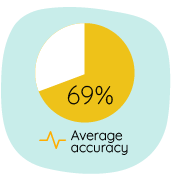

Readability's AI reading tutor uses responsive speech recognition to support a dyslexia reading intervention or supplement a dyslexia intervention program. As part of reading intervention programs for dyslexia, it delivers guided, interactive practice that mirrors one-to-one support.
At home or on the go, it can:
•Listen
•Prompt
•Correct
•Assess
•Encourage
Why Is Reading Intervention for Dyslexia Important?
Children with dyslexia process written language differently than typical readers. Without specialized support, they may continue struggling with reading despite strong effort and intelligence.
Effective interventions for dyslexia target the underlying reading challenges directly rather than relying on memorization or repeated exposure alone. Well-designed interventions for dyslexia focus on phonological awareness, decoding, and fluency so gains carry over to everyday reading.
When delivered through a structured dyslexia intervention program, targeted instruction can help children:
•Read more accurately
•Improve reading speed
•Strengthen spelling skills
•Increase reading confidence
•Participate more comfortably in class
•Reduce frustration during reading activities
Many children who receive proper intervention begin developing stronger reading habits and more positive attitudes toward school.
What Happens During a Dyslexia Intervention Program?
Reading intervention sessions are typically more structured and individualized than standard classroom reading lessons, especially within intervention programs for dyslexia.
Most evidence-based dyslexia intervention programmes focus on structured literacy instruction, which teaches reading skills in a clear, sequential order. In some regions, this is described as a dyslexia intervention programme (UK) or a dyslexia reading intervention, but the core structured literacy principles are the same.
This may include:
•Learning individual sounds
•Practicing sound blending
•Breaking words into syllables
•Recognizing spelling patterns
•Building vocabulary
•Reading connected text aloud
Within a dyslexia intervention, Orton-Gillingham-based instruction often uses multisensory techniques that engage visual, auditory, and kinesthetic pathways during reading instruction. An app for dyslexia guides these lessons, adjusting pacing and practice based on ongoing progress data.
Multisensory Practice Steps
1.Hear a sound
2.Repeat it aloud
3.Trace letters with their finger
4.Write words repeatedly
5.Read words in sentences
This cumulative practice, guided by a dyslexia interventionist, strengthens letter-sound recognition and decoding over time.
What Skills Does Reading Intervention for Dyslexia Improve?
Reading interventions for dyslexia focus on building foundational literacy skills that many struggling readers need additional support to develop. Effective reading and spelling interventions for dyslexia connect phonics patterns to written practice so skills stick.
Children learn to break unfamiliar words into smaller sound-spelling units instead of guessing from pictures or context. This type of intervention for dyslexia reduces guessing and improves accuracy across new texts.
Fluency practice helps children read more smoothly, accurately, and with greater confidence. Many dyslexia interventions pair repeated reading with modeled fluency to build speed without sacrificing comprehension.
Many dyslexia intervention programs include explicit spelling instruction because reading and spelling skills are closely connected.
As decoding improves, children can focus more attention on understanding what they read instead of struggling through every word.
What Are the Signs a Child May Need Reading Intervention for Dyslexia?
If you're seeking reading intervention for elementary dyslexia, look for signs such as:
•Difficulty sounding out words
•Slow or inaccurate reading
•Trouble remembering sight words
•Frequent spelling mistakes
•Avoidance of reading activities
•Frustration during homework
•Reading below grade level
Children may also show stronger verbal abilities than reading performance. Early intervention for dyslexia can prevent reading gaps from widening over time. Patterns across settings and time are more informative than a single observation.
Getting Started: Screening, Evaluation, and Diagnosis
Screening is a quick check for risk; it does not diagnose dyslexia. Universal screeners typically assess phonemic awareness, letter-sound knowledge, and rapid naming to flag students who may need targeted support. A comprehensive psychoeducational evaluation, conducted by a licensed psychologist or qualified evaluator, examines cognitive and academic skills in depth and can identify dyslexia as a specific learning disability.
Many schools use MTSS/RTI pathways, starting with Tier 2 small-group support and moving to Tier 3 intensive intervention. Families can request a special education evaluation at any time; this runs parallel to MTSS and is not contingent on response to intervention alone. The evaluation report should include standardized test results, classroom data, and a clear explanation of eligibility and recommendations.
How Often Should Reading Intervention for Dyslexia Happen?
Consistency is one of the most important parts of a successful intervention for dyslexia. For families seeking reading intervention for elementary dyslexia, three to five short sessions per week typically lead to steadier gains.
For best results, many specialists recommend the following within a structured dyslexia intervention program:
•Multiple sessions per week
•Small-group or one-on-one instruction
•Structured practice routines
•Frequent review and repetition
Short, focused sessions are often more effective than occasional longer sessions.
Reading Intervention: What Works Best
Most students with dyslexia benefit from 45–60 minutes per day, 4–5 days per week, in early grades; at minimum, aim for short, frequent sessions rather than one long weekly block. For upper elementary and secondary, target 45–60 minutes at least 3–5 days per week, with explicit time for multisyllabic decoding and morphology. Increase intensity when progress monitoring shows flat growth over several weeks.
Group size affects outcomes. One-to-one or very small groups (2–3) provide the most corrective feedback and practice opportunities. Lessons should follow a consistent sequence with brisk pacing, frequent response opportunities, and immediate error correction. Longer is not always better; well-structured 30–45 minute sessions can be highly effective if delivered consistently.
Fidelity checklist:
•Lesson followed the scope and sequence without omissions
•Corrective feedback used promptly and consistently
•Cumulative review included for previously taught patterns
•Decodable text matched the taught patterns
•Data recorded for accuracy and rate, with notes on error types
•Home practice assigned and explained
Home Support Plan: What Families Can Do Between Sessions
A 15-minute daily routine can make school or tutoring time more effective. Try this structure:
•Minutes 0–5: Quick phoneme work. Oral blending and segmenting with 6–8 words that match current patterns.
•Minutes 5–8: Word reading. Read 10–15 decodable words and 2 short phrases with the week's pattern.
•Minutes 8–12: Connected text. Read one page from a decodable, then reread for fluency.
•Minutes 12–15: Dictation. Spell 3 words and 1 short sentence that use taught patterns.
Pair read-alouds or audiobooks with print to expand vocabulary and comprehension without adding decoding strain. Celebrate effort, use goal trackers or sticker charts sparingly, and frame mistakes as information for the next lesson. If frustration rises, pause, return to a recently mastered pattern, and end with success.
Can Schools Provide Reading Intervention for Dyslexia?
Many schools offer reading intervention programs for dyslexia, though the quality and structure vary by district and available resources. Ask whether the school uses a dyslexia intervention program grounded in structured literacy and how progress will be monitored.
School-based intervention programs for dyslexia may include:
•Reading specialists
•Structured literacy instruction
•Small-group reading support
•Classroom accommodations
•Progress assessments
Some families also supplement school support with private tutoring or online dyslexia intervention programs for additional reinforcement. Ask how progress will be measured and reported.
Supporting English Learners and Diverse Learners with Dyslexia
Identifying dyslexia in bilingual students requires evaluating decoding and phonological skills in the language(s) of instruction and considering language exposure. Risk indicators look similar across languages: difficulty mapping sounds to symbols, slow and inaccurate reading of decodable text, and persistent spelling errors that reflect sound-symbol confusion rather than vocabulary gaps.
Leverage transferable skills. Phonological awareness at the phoneme level, knowledge of common Latin roots and affixes, and understanding of syllable types can support reading across languages that use alphabetic scripts. Teach morphology explicitly, connect cognates, and preview key vocabulary to reduce cognitive load during reading.
What Makes a Dyslexia Intervention Program Effective?
The most effective dyslexia intervention programs share several important features:
•Explicit phonics instruction
•Structured literacy methods
•Multisensory learning activities
•Individualized pacing
•Ongoing progress monitoring
•Repetition and review
Programs that encourage guessing words or rely mostly on memorization are generally less effective as a dyslexia intervention. Reading intervention programs for dyslexia that deliver daily, cumulative practice tend to produce steadier, more measurable growth.
Effective dyslexia interventions track both accuracy and rate. Key metrics include percent correct on word lists, words correct per minute (WCPM) on grade-appropriate passages, and error patterns such as vowel team confusions or suffix omissions. Brief, frequent checks make instruction responsive and allow teams to see growth within weeks.
How Long Does Reading Intervention for Dyslexia Take?
Every child responds differently to a dyslexia intervention program based on:
•Age
•Severity of reading difficulties
•Frequency of intervention
•Quality of instruction
•Consistency of practice
Some children show measurable reading progress within a few months, while others benefit from ongoing intervention over several years. Consistent dyslexia interventions — whether school-based or private — work best when matched to the learner's needs and schedule.
Reading growth is usually gradual, but steady progress can lead to major long-term improvements.
Timelines by Age: Elementary, Middle, and High School
Early elementary priorities include phonemic awareness (especially blending, segmenting, and manipulation), letter-sound mastery, and accurate decoding of single-syllable words. With daily, high-quality instruction, many students show steady gains across a school year and can transition to more complex patterns by second or third grade.
Upper elementary intervention emphasizes multisyllabic decoding, syllable division strategies, morphology (prefixes, roots, suffixes), and fluency with connected text. Structured practice with academic vocabulary helps students move from accuracy to efficiency while supporting comprehension in content areas.
C
Frequently Asked Questions About Reading Intervention for Dyslexia
What is reading intervention for dyslexia and how does it work?
Reading intervention for dyslexia is structured literacy instruction that directly teaches phonics, decoding, spelling, fluency, and comprehension in a clear, sequential way. Many reading intervention programs for dyslexia are Orton-Gillingham-inspired and use multisensory techniques — seeing, hearing, saying, and writing sounds — along with progress monitoring to tailor instruction and build accurate, confident reading.
What does a dyslexia intervention program include?
A dyslexia intervention program typically includes explicit phonics instruction, guided decoding practice, syllable work, spelling tied to phonics patterns, reading connected text aloud, fluency exercises, vocabulary development, and frequent review. Effective reading intervention programs for dyslexia follow a structured, multisensory approach, use individualized pacing, and rely on ongoing progress assessments.
How often should reading intervention for dyslexia happen each week?
Consistency matters more than session length. Many specialists recommend multiple sessions per week in small-group or one-on-one settings, with short, focused lessons and frequent review. Regular practice plus progress monitoring helps the intervention stick and lets instructors adjust instruction as the child advances.
How long does a dyslexia reading intervention take to show results?
Timelines vary based on age, the severity of reading difficulties, session frequency, quality of instruction, and consistency of practice. Some children show measurable progress within a few months, while others benefit from ongoing support over several years; growth is typically gradual but leads to meaningful, long-term improvements.
What are the signs my child needs a reading intervention for dyslexia?
Common signs include difficulty sounding out words, slow or inaccurate reading, trouble remembering high-frequency words, frequent spelling errors, avoiding reading, frustration during homework, and reading below grade level. Many children with dyslexia also show stronger verbal abilities than reading performance; early intervention helps prevent widening gaps.
What is a dyslexia intervention program?
It is a structured literacy approach that teaches phonemic awareness, phonics, spelling, fluency, vocabulary, and comprehension through explicit, cumulative lessons with decodable practice and regular progress monitoring.
Can technology and AI help with dyslexia intervention?
Yes. Tools that provide immediate feedback, record oral reading, deliver aligned decodables, and track error patterns can make instruction more efficient and practice more engaging, especially between sessions.
How long until we notice improvement from a dyslexia intervention program?
Many students show early gains in accuracy within 6–8 weeks when sessions are frequent and data-driven. Larger shifts in fluency and confidence typically emerge across a semester or more, depending on intensity and severity.
Glossary of Key Reading Terms
•Phoneme: The smallest unit of sound in spoken language (for example, /m/, /sh/).
•Grapheme: The letter or letter combination that represents a phoneme (for example, m, sh).
•Phonemic awareness: The ability to hear, identify, and manipulate individual phonemes in spoken words.
•Orthographic mapping: The process of storing letter-sound connections in long-term memory so words become instantly recognizable.
•Morphology: The study of meaningful word parts such as roots, prefixes, and suffixes.
•Decoding: Translating written graphemes into spoken sounds to read words.
•Encoding: Translating spoken sounds into written graphemes to spell words.
•Fluency: Reading with accuracy, appropriate rate, and expression that supports comprehension.
Why Reading Intervention for Dyslexia Matters
Reading struggles can affect classroom participation, confidence, and academic performance across nearly every subject. A well-structured dyslexia intervention program provides the specialized support many children need to become stronger readers. Whether you choose a school-based option or an online dyslexia intervention program, aim for structured, evidence-based lessons delivered consistently.
The right dyslexia intervention program can help children:
•Improve reading fluency
•Strengthen decoding ability
•Build reading confidence
•Reduce academic frustration
•Develop lifelong literacy skills
With structured instruction, patience, and consistent support, children with dyslexia can make steady reading progress and become more confident learners over time.
Welcome to the world of Readability, where we're not just teaching reading—we're opening doors to the future.