Dyslexia Reading Programs
Dyslexia reading programs are specialized learning systems designed to help individuals improve reading fluency, decoding, spelling, and comprehension. The most effective dyslexia reading programs use structured literacy, explicit phonics instruction, and multisensory teaching methods.
These programs help children and adults with dyslexia learn how sounds, letters, and words work together in a systematic way. Many dyslexia reading programs are based on evidence-backed instructional methods such as Orton-Gillingham and structured literacy approaches.
Common features of effective dyslexia reading programs include:
Step-by-step phonics instruction
Multisensory learning activities
Reading fluency practice
Spelling and vocabulary development
Repetition and review
Individualized pacing
Popular dyslexia reading programs may be used in schools, tutoring centers, or at home. Early intervention is especially beneficial, but adults with dyslexia can also improve reading skills with the right program and consistent support.
The best dyslexia reading program depends on age, learning style, reading level, and the severity of reading difficulties.
Reading Help for Dyslexia



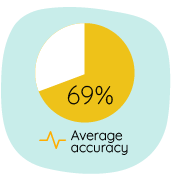

Dyslexia reading programs are designed to teach reading differently than traditional classroom instruction. Because dyslexia affects how the brain processes written language, many learners need more structured and explicit instruction to build strong reading skills.
Effective dyslexia reading programs help learners:
- Recognize letter-sound relationships
- Decode unfamiliar words
- Improve reading accuracy
- Increase reading fluency
- Build comprehension skills
- Strengthen spelling ability
These programs focus on foundational reading skills rather than memorization alone.
Why Are Dyslexia Reading Programs Important?
Dyslexia can make reading difficult even for highly intelligent learners. Without specialized instruction, individuals with dyslexia may continue struggling with reading fluency, spelling, and comprehension for years.
Dyslexia reading programs are important because they provide:
- Structured instruction
- Predictable learning progression
- Repetition and reinforcement
- Personalized reading support
- Confidence-building strategies
The right reading program can improve both literacy development and emotional confidence.
What Types of Dyslexia Reading Programs Work Best?
Research strongly supports structured literacy programs for dyslexia intervention. These programs teach reading in a direct, organized, and cumulative sequence.
Structured Literacy Dyslexia Reading Programs
Structured literacy instruction focuses on:
- Phonemic awareness
- Phonics
- Syllable patterns
- Vocabulary
- Reading fluency
- Reading comprehension
Programs based on the Orton-Gillingham Approach are among the most widely recommended for dyslexia because they use visual, auditory, and kinesthetic learning techniques together.
Students may:
- Hear sounds
- Say words aloud
- Trace letters
- Write words repeatedly
- Read words in context
This multisensory repetition helps strengthen reading pathways in the brain.
What Are Some Popular Dyslexia Reading Programs?
Several dyslexia reading programs are commonly used by schools, tutors, and families.
Orton-Gillingham-Based Dyslexia Reading Programs
Many programs are built around Orton-Gillingham principles, including:
- Barton Reading & Spelling System
- Wilson Reading System
- Take Flight
- Slingerland Approach
These programs emphasize systematic phonics instruction and multisensory learning.
Online Dyslexia Reading Programs
Digital learning tools are becoming increasingly popular for dyslexia support. Online dyslexia reading programs may include:
- Interactive phonics lessons
- Guided reading exercises
- Speech feedback tools
- Progress tracking
Programs may also integrate with assistive technologies such as:
- Text-to-speech software
- Audiobooks
- Reading fluency apps
Platforms like Learning Ally can complement reading instruction by improving access to written material.
What Are the Best Dyslexia Reading Programs for Children?
Children benefit most from early intervention and consistent reading practice. Effective dyslexia reading programs for children often include:
- One-on-one instruction
- Structured phonics lessons
- Guided oral reading
- Frequent review sessions
- Small-group intervention
The best programs are usually:
- Sequential
- Explicit
- Multisensory
- Evidence-based
Parents should look for tutors or schools with training in structured literacy and dyslexia intervention rather than general reading support alone.
How Long Do Dyslexia Reading Programs Take to Work?
The timeline for improvement varies depending on:
- Age
- Severity of dyslexia
- Frequency of instruction
- Consistency of practice
- Quality of the program
Some learners show progress within several months, while others require ongoing support over multiple years. Consistent instruction is one of the most important factors in long-term success.
What Should Families Look for in Dyslexia Reading Programs?
When evaluating dyslexia reading programs, families should look for:
- Structured literacy instruction
- Explicit phonics teaching
- Multisensory learning techniques
- Progress monitoring
- Individualized pacing
- Dyslexia-trained instructors
Programs that rely heavily on memorization or claim instant reading success are generally less effective for dyslexia intervention.
Why Dyslexia Reading Programs Matter
Reading difficulties can impact confidence, school performance, and long-term opportunities. The right dyslexia reading program helps learners develop the skills they need while reducing frustration and building confidence.
Effective dyslexia reading programs can:
- Improve reading fluency
- Strengthen comprehension
- Increase academic confidence
- Support lifelong learning
- Create better educational outcomes
With the right support system and consistent instruction, children and adults with dyslexia can become stronger and more successful readers over time.
Welcome to the world of Readability, where we're not just teaching reading—we're opening doors to the future.