Phonics Vs Phonemic Awareness: What Is The Difference, And How Do They Build Reading Skills?
Phonemic awareness is the ability to hear and manipulate the individual sounds in spoken words, while phonics teaches children how those sounds connect to letters and spelling patterns in print.
Read More
What Is Phonics? Meaning, Examples, and How to Teach It at Home
Phonics is the foundation of learning to read, helping children connect letters to sounds so they can decode words independently.
Read More
Parent Guide: Best Homeschool Resources for Fluency and Comprehension
Homeschool days often rise or fall on reading. You can piece together math, science, and history, but if a child cannot read with accuracy and stamina, every subject becomes harder. When searching for the best homeschool resources, start with reading.
Read More
Reading Is a System of Skills: A Map to Becoming a Better Reader
Becoming a strong reader isn’t about one skill, it’s about a system. From phonemic awareness and phonics to fluency and comprehension, each component works together to turn print into meaning.
Read More
Choosing Reading Programs for Schools: A Research-Grounded Starting Point
Selecting the right reading program goes beyond choosing curriculum, it requires aligning instruction with student needs, evidence-based practices, and real classroom conditions.
Read More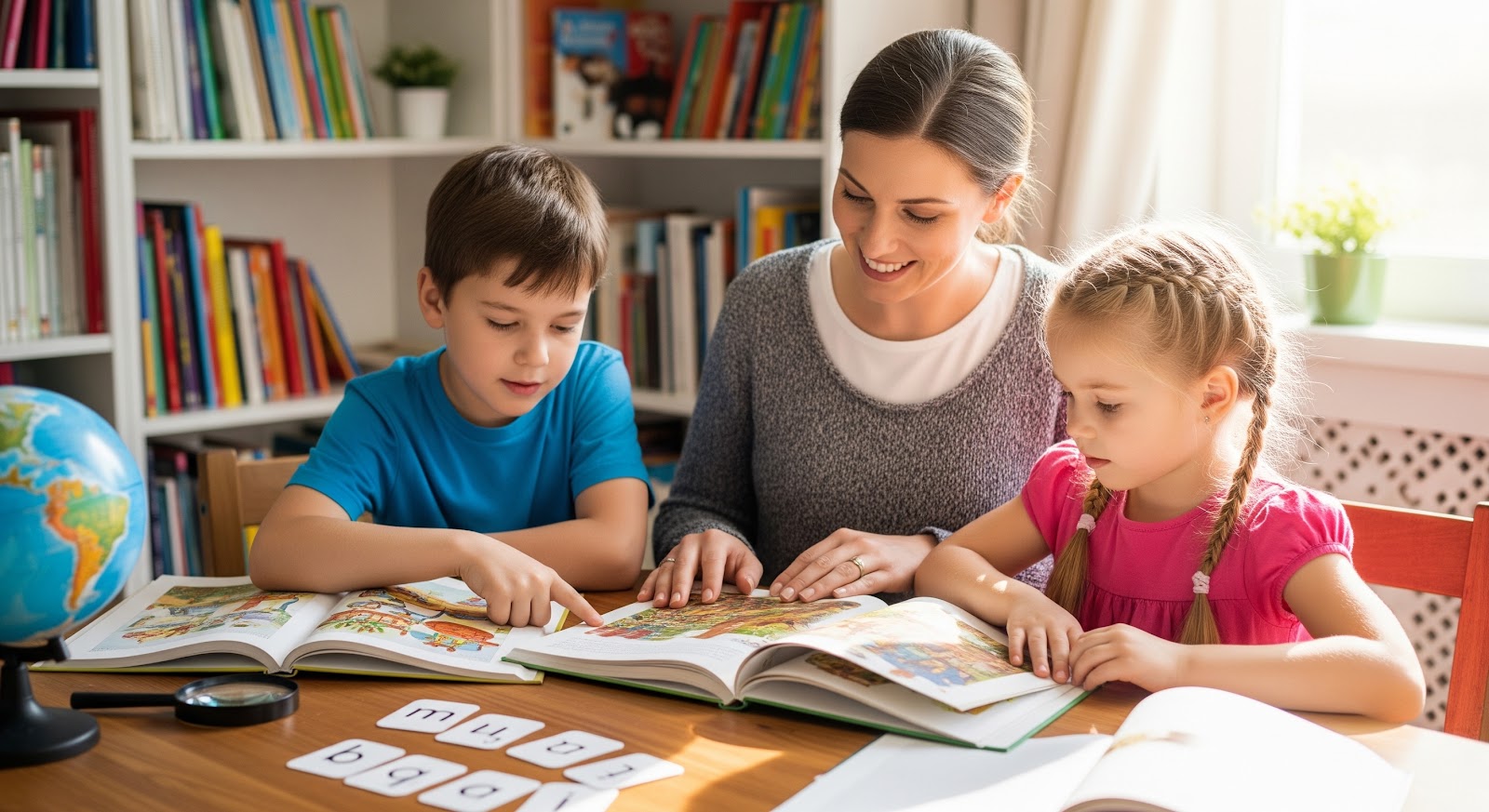
How to Choose a Research-Backed Homeschool Reading Program
Choosing the right homeschool reading program doesn’t have to be overwhelming. The most effective approaches combine explicit phonics instruction, guided oral reading, and consistent progress tracking.
Read More