

Lori McGinley, a third grade teacher at Salisbury Elementary School in Salisbury, Penn., started using the Readability program with her students during the Fall/Winter of the 2022/2023 school year. Salisbury Elementary School is a diverse school that serves approximately 500 students. Over a period of only four to six weeks, McGinley noted that the children in the class who used the program substantially increased their reading fluency compared to children who did not use the program.

According to McGinley, students who used Readability increased their reading fluency by an average of 27.16 words per minute, while third-grade students who didn’t use the program only increased an average of 19.25 words per minute. Those who used Readability showed a 41 percent greater fluency growth than those who didn’t use the program.
McGinley stated that a student’s success with the program correlated to their willingness to use the program consistently both in the classroom and at home. Students are expected to read 10 minutes in class and 10 minutes at home. Readability lessons count towards these minutes. McGinley’s class uses the program while she is working in small groups during reading time. Students at Salisbury Elementary are provided with tablets that allow them to use learning apps in class and at home.
“I definitely see more growth in the students who are using it consistently than the students who are not using it consistently,” McGinley noted. “In my class, the increase of students who are not using it consistently is only 12.875 words per minute. That’s even lower than the students not using the app.”
While consistent use of Readability helped her students increase their reading fluency, McGinley also noted that the program has ‘leveled the playing field’ for her students, too. Access to books is a struggle for many families; unfortunately, children who don’t have books at home might not have the opportunity to read at home, causing them to fall behind their peers in reading fluency.
“ALL students have access to a large, growing library at their fingertips,” McGinley said. “Some of my students have many books to choose from when reading at home and others have a limited amount. Readability has leveled the playing field for my students.”
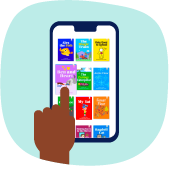
Readability provides each child with a library of books that they can access at home or at school. Each reading level offers a new library of book titles, and as children move through the program, they can access new books. For children who don’t have many books at home, Readability’s virtual library provides a vast selection of stories for them to read and explore. This is especially valuable for students who may benefit from additional support, including those with dyslexia, ADHD, or who are English Language Learners.

McGinley also noted that Readability makes it easier for teachers to follow each student’s reading habits at home. Readability includes a private portal for teachers (and parents) that provides data on each student’s reading progress. Parents and teachers can view a student’s reading fluency (measured in words read per minute), reading comprehension, and the amount of time they used the program. For more information on how the program supports educators, visit the Readability research page.
“Readability makes it possible to monitor the amount of time students are reading at home. This is HUGE for teachers,” said McGinley.

Readability will continue to be implemented in McGinley’s third grade class for the duration of the year. Students will use the program for 10 minutes in class and 10 minutes at home and McGinley will further monitor their reading fluency progress by analyzing reading growth from grade-level reading assessments. She also will consider each student’s adherence to the program at home (and in class) to further assess the impact of the program.
The initial reading fluency growth results were gathered after four to six weeks of the students using Readability. McGinley expressed excitement over the potential growth in reading fluency rates that she might see in upcoming reading assessments. Educators interested in understanding how AI-powered tools support student growth can explore the research behind Readability or browse the educator FAQs.
McGinley and her class used Readability via a free trial period. Administrators at Salisbury Elementary will review the results of reading assessments at the end of the year to determine the impact of Readability on reading fluency growth. These results might determine any future plans related to an official program implementation for third grade classrooms at the school.
Teachers, administrators and/or school districts interested in exploring Readability to improve reading fluency and reading comprehension can sign up for a free trial period to explore the program. Readability also supports students with reading comprehension challenges and is recognized as one of the best reading apps for kids.
